Full Overview to Waterproof Outdoor Camping Equipment
Nothing ruins an outdoor camping trip faster than damp gear. Whether you're caught in an abrupt rainstorm or setting up camp near a lake, having the right waterproof tools can imply the difference in between a miserable experience and an unforgettable journey. This guide strolls you through every little thing you need to know about choosing and caring for water-proof camping gear.
Recognizing Waterproofing Scores
Before you shop, it helps to understand exactly how waterproofing is determined. The most usual requirement is the Hydrostatic Head (HH) rating, expressed in millimeters. This number informs you just how much water stress a material can withstand before it starts to leak.
A ranking of 1,500 mm is thought about water-resistant and suitable for light drizzle. Anything between 5,000 mm and 10,000 mm handles moderate rain well, while rankings of 20,000 mm and above are made for hefty, continual downpours. For severe camping in unpredictable weather, aim for equipment ranked at 10,000 mm or higher.
You'll likewise encounter the term DWR-- Long lasting Water Repellent. This is a chemical covering related to the outer surface of materials that causes water to bead up and roll off as opposed to take in. DWR treatments subside in time and need to be reapplied occasionally to keep efficiency.
Important Waterproof Outdoor Camping Equipment
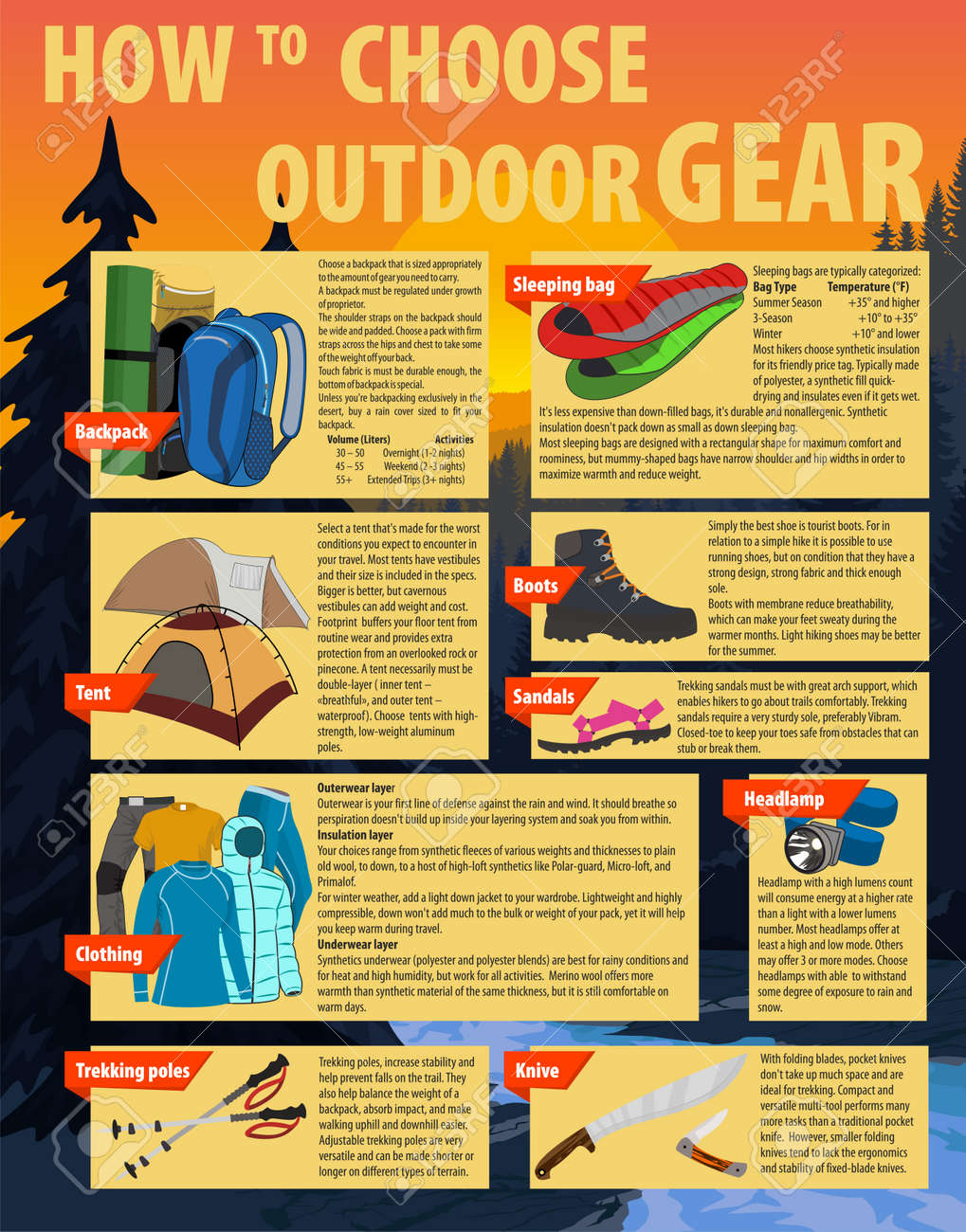
Tents
Your tent is your primary sanctuary, so waterproofing right here is non-negotiable. Search for camping tents with completely seam-sealed floors and fly sheets ranked at a minimum of 3,000 mm. The rainfly ought to expand low sufficient to prevent wind-driven rain from creeping below.
Pay attention to the camping tent flooring rating-- considering that it get in touches with the ground straight and bears your body weight, it needs a higher rating than the walls, ideally 5,000 mm or more. A top quality impact or ground cloth positioned below the outdoor tents adds an extra layer of security and expands the life of the flooring.
Sleeping Bags and Sleeping Pads
Even a water resistant tent can establish condensation inside, which implies your sleeping bag requires some water resistance as well. Down sleeping bags are warmer for their weight but lose insulating power when wet. Hydrophobic down-- treated with a waterproof coating-- is a smart upgrade for wet settings. Synthetic fill resting bags maintain heat even when moist, making them a reliable option for humid or wet environments.
Your sleeping pad additionally matters. Closed-cell foam pads are naturally water-proof and virtually unbreakable. Blow up pads supply even more comfort however needs to be stored in a completely dry bag when not being used to avoid moisture from affecting the shutoff or seams.
Waterproof Jackets and Apparel
A top quality waterproof jacket is among one of the most essential things in your pack. Try to find jackets made with laminated membrane layers like Gore-Tex or similar modern technologies, which block water while still permitting sweat vapor to escape. This breathability is essential-- a coat that catches moisture inside beats its own function.
Pack water resistant trousers also, along with woollen or artificial base layers that handle dampness successfully. Prevent cotton entirely in wet problems; it absorbs water rapidly and takes a long time to completely dry, making it a real safety and security danger in chilly, damp weather condition.
Dry Bags and Load Covers
Even bell tent rentals the very best hiking knapsacks are not totally water resistant. A pack cover is an inexpensive method to protect your gear throughout rain, but also for vital items like electronics, maps, and spare apparel, completely dry bags are important. They can be found in various sizes, seal with a roll-top closure, and supply superb security also when fully submerged.
Arrange your pack by placing the most important products in specialized completely dry bags so you can find them swiftly without exposing whatever to the aspects.
Taking Care Of Waterproof Equipment
Water resistant equipment calls for appropriate maintenance to remain effective. Wash technological materials according to manufacturer instructions-- lots of benefit from a warm tumble dry, which reactivates the DWR layer. When DWR starts to fail and water no longer grains on the surface, wash-in or spray-on DWR products can bring back performance.
Shop camping tents loosely instead of pressed snugly in their things sacks for extended periods, as this helps protect the water resistant layers. Always allow gear to dry completely before keeping to avoid mold.
Last Ideas
Buying top quality waterproof camping tools pays off every single time the skies open up. Comprehend the scores, focus on the basics, and keep your equipment properly-- and you'll fit and shielded regardless of what the climate tosses at you. Preparation is constantly the best companion on any camping journey.